
Care & Maintenance
A Simple Guide to Leather Bag Care
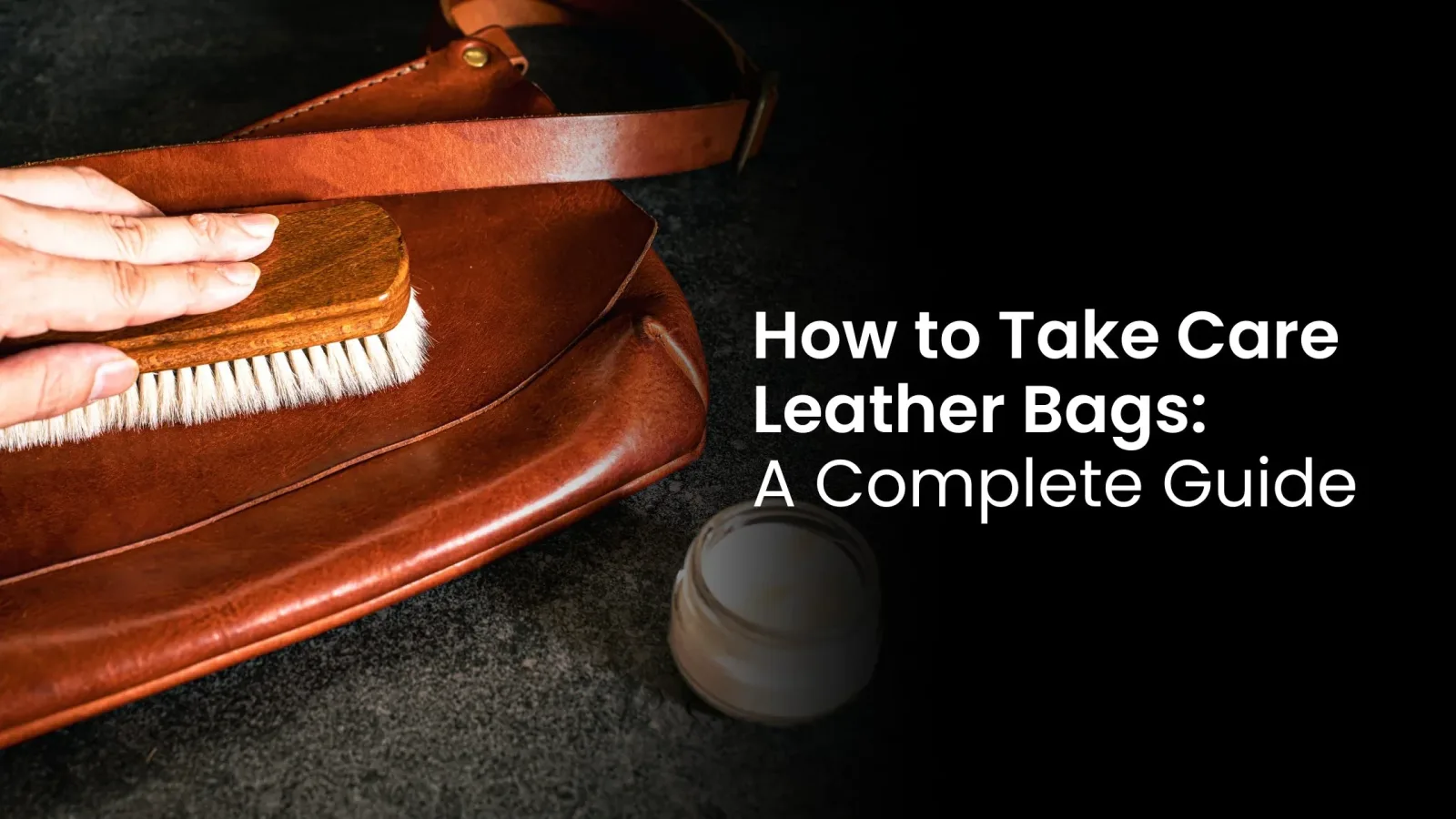
Care that actually makes a difference
Full-grain leather is remarkably resilient, but it isn't indestructible. Like most quality materials, it rewards a little consistent attention — and punishes neglect over time. The good news is that proper care doesn't require a complicated routine, just a few habits done regularly.
Daily handling habits
Small, everyday choices have an outsized effect on how a bag ages:
- Don't overload it. Every bag has a natural capacity. Consistently stuffing it beyond that stretches seams, strains stitching, and can distort the overall shape over time.
- Store it properly. When not in use, keep your bag upright, ideally stuffed lightly with tissue paper or a soft cloth to help it hold its shape. Avoid piling other items on top of it in a closet.
- Limit sun exposure. Direct sunlight for extended periods can dry out and fade leather, particularly darker tones. If you're storing a bag near a window, rotate it or keep it covered.
- Rotate your bags. If you own more than one, alternating use gives leather time to rest between wears, reducing stress on any single area of the material.
- Mind the surfaces you set it on. Rough textures, wet surfaces, and sharp edges can scuff or scratch leather more easily than you'd expect.
Cleaning your bag
For most day-to-day maintenance, a soft, dry microfiber cloth is enough to remove dust and light surface dirt. Wipe gently in the direction of the grain rather than scrubbing.
For deeper cleaning:
- Use a cleaner specifically formulated for leather — never household soap, dish detergent, or baby wipes, all of which can strip the leather's natural oils and leave it dry or discolored
- Test any new product on a small, hidden area first (like the underside of a strap) before applying it to the visible surface
- Clean in gentle, circular motions with a soft cloth, then allow the bag to air dry naturally before using it again
If your bag gets wet
Leather and water aren't natural enemies, but wet leather does need proper handling:
- Blot the surface gently with a dry, absorbent cloth — don't rub, which can push moisture deeper into the material
- Remove any items from inside the bag and let it air dry naturally in a well-ventilated area
- Avoid direct heat sources like hairdryers, heaters, or direct sun to speed up drying — rapid drying can cause leather to crack or stiffen
- Once fully dry, apply a light leather conditioner to restore any oils lost during the drying process
Conditioning
Leather contains natural oils that keep it supple and prevent cracking. Over time — especially in air-conditioned environments or dry climates — these oils diminish.
- Apply a leather-specific conditioner every two to three months, or more often in particularly dry conditions
- Use a small amount, working it in gently with a soft cloth
- Focus on areas that see the most flex and friction, like handles and corners, which tend to dry out fastest
Hardware care
Don't forget the metal fittings — zippers, clasps, and buckles benefit from occasional attention too. A soft cloth wipe keeps them free of dust and tarnish, and avoiding contact with perfume or hairspray helps prevent discoloration over time.
With this level of care, a full-grain leather bag doesn't just survive years of use — it becomes noticeably richer and more characterful with every one of them.