
Behind the Brand
Why We Make Fewer Bags, Not More
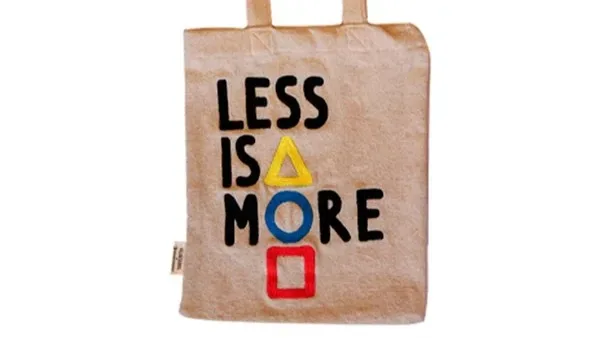
A deliberate kind of small
In an industry that often measures success by volume — more releases, more colorways, more units shipped — we've chosen a different metric. We'd rather make fewer bags, made properly, than more bags made to be quickly replaced.
The cost of speed
Fast production has a formula, and it's rarely a secret: thinner materials to cut costs, rushed stitching to save labor time, and designs built around trend cycles rather than longevity. The result is a bag that looks fine in photos and starts showing wear within months.
This approach also creates a particular kind of waste — bags produced in bulk, discounted when trends shift, and eventually discarded well before they needed to be. It's a cycle we don't want to be part of.
What small-batch production actually allows
Producing in limited runs isn't just a marketing choice — it changes the entire process:
- More attention per piece. When output isn't measured purely in volume, artisans can take the time each step actually requires, rather than working against a quota.
- Better quality control. Smaller batches mean every piece can be individually inspected before it ships, rather than relying on spot-checks across thousands of units.
- Less overproduction. We produce closer to actual demand, which means fewer unsold bags ending up discounted, warehoused, or discarded.
- Room to refine. Smaller runs let us make small improvements between batches based on real feedback, rather than being locked into a design for an entire season regardless of issues that surface.
What this means for materials
Producing less also means we can be more selective about what goes into each bag. Full-grain leather, solid metal hardware, reinforced stitching at stress points — all of these cost more per unit, but they're viable precisely because we're not trying to produce at a scale that would force cheaper substitutions.
The result: bags built for years, not seasons
We'd rather you own one Elowen & Rue bag for five years than cycle through three lookalike bags in that same span. A bag that lasts isn't just better for you — it's fewer resources consumed, less waste generated, and ultimately a more honest relationship between a product and the person who owns it.
This isn't a limitation. It's the whole point.
Making fewer bags means we can stand behind every single one we do make. It's slower, and it will never let us compete purely on volume — but it's the only way we know to make something actually worth keeping.